When your home feels less comfortable, it can be difficult to tell whether the AC needs a small adjustment or a service visit. Looking at the pattern of symptoms is more useful than guessing which part has failed. This guide helps Bronx and New York property owners prepare for an HVAC repair conversation.
A persistent change in cooling, sound or drainage is a reason to request a diagnosis. A symptom is a starting point, not proof that a particular component must be replaced.
Notice what has changed
Start with a comparison to normal operation. Is the system taking longer to cool, switching off sooner or leaving one room warmer than before? Write down when the change began and whether it happens throughout the day. A change after renovation work, a power interruption or a thermostat adjustment is useful context. These observations help a technician investigate instead of relying on a vague report that the AC feels weak.
Watch for more than warm air
Water near indoor equipment, new vibration, repeated starts and stops or an unfamiliar noise can all justify a service request. None of these symptoms proves a specific diagnosis on its own. For example, weak cooling can be related to airflow as well as equipment faults. Avoid buying parts or requesting a refrigerant top-up before someone has assessed the actual cause.
Keep your own checks simple
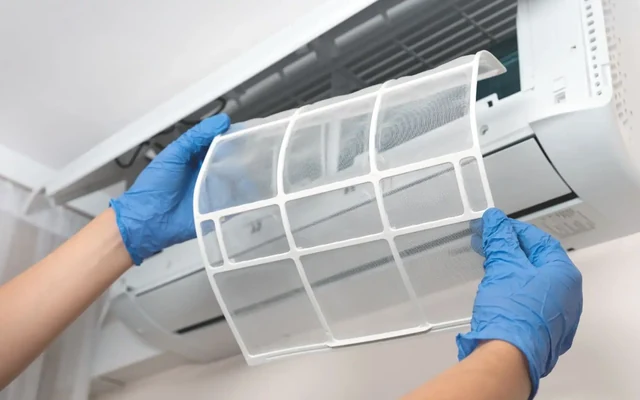
Confirm the thermostat is in the intended mode and that accessible grilles are clear of furniture. Check a user-accessible filter only as described in the equipment manual. Record displayed error codes rather than clearing them repeatedly. Do not remove service panels, move wires or bypass protective controls. If a breaker trips repeatedly, leave the system off and have the cause investigated.
Know when to stop using the system
Visible ice, escaping water or a strong unusual smell deserves prompt attention. If it is safe, switch the equipment off at its normal control and request advice. Stay away from wet electrical components. Smoke or an immediate electrical hazard is an emergency, not a routine appointment request. Continuing to run a struggling system may make the original problem harder to assess.
Prepare a useful repair request
Tell Active Air your address, property type, equipment type and the symptoms you noticed. A safely accessible model number and the date of the last service can help. Ask what the diagnostic visit covers, how findings will be explained and whether any proposed repair will be quoted separately. A clear description helps us plan the next step without promising a diagnosis before the visit.
Need help with your HVAC system?
Explore our ac repair service or tell us about your property. Active Air will contact you to discuss the next step.
Schedule an Appointment →General reading: ENERGY STAR: maintenance checklist. Follow the instructions for your particular equipment. A site assessment is needed for installation or repair recommendations.