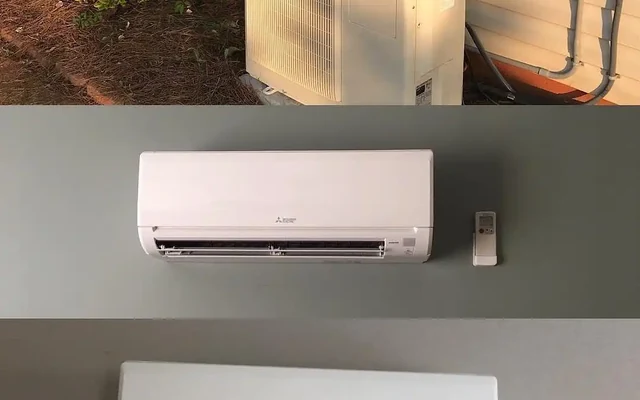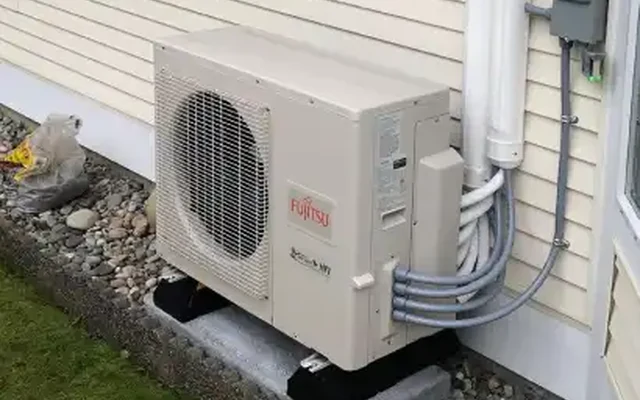
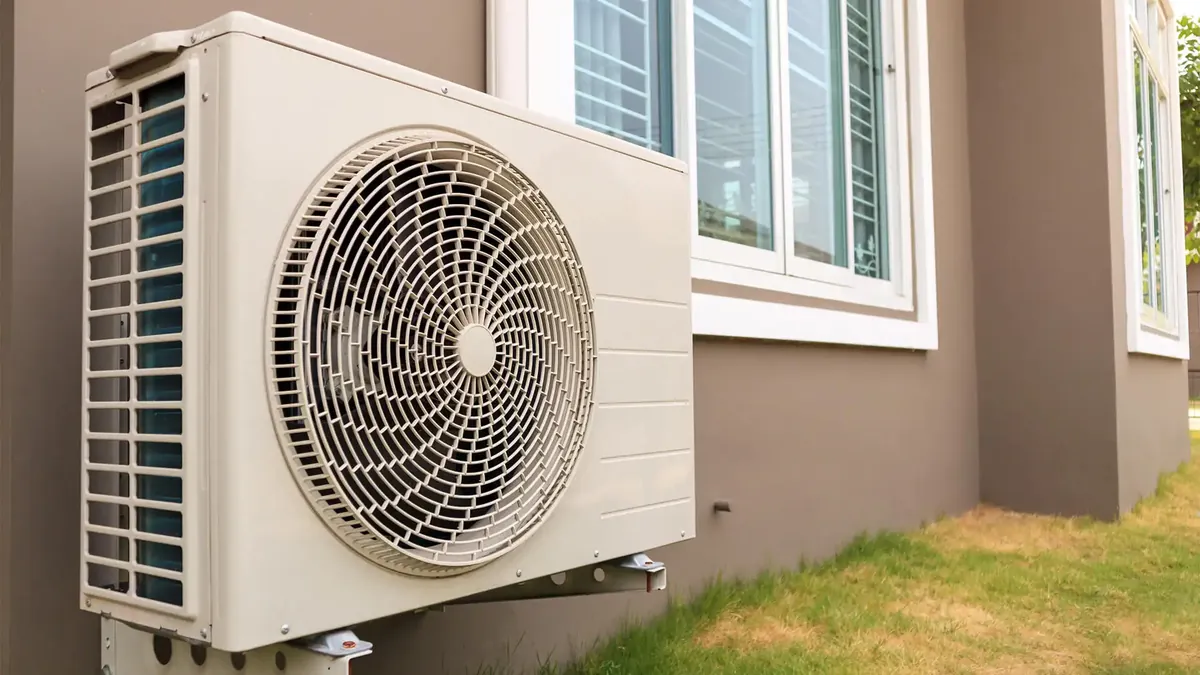
A larger air conditioner is not necessarily a better solution to a warm home. Correct sizing is about matching equipment to the building’s needs and making sure cooled air can reach the occupied spaces.
Capacity should follow an assessment of the building and its rooms. Larger equipment is not a substitute for diagnosing airflow or installation problems.
Cooling demand is more than floor area
Rooms with similar dimensions may have different cooling requirements because of sunlight, windows, insulation and occupancy. Ceiling heights and adjacent spaces can also matter. A simple square-foot estimate may be useful for an early conversation, but it should not be treated as a final equipment selection. Ask how the property’s characteristics are being included in the assessment.
Understand the problem with oversizing
Equipment that is too large for the load can reach the thermostat setting quickly and stop before delivering balanced comfort. Short cycles may affect moisture removal and leave the space feeling different from what the temperature reading suggests. Bigger capacity also does not fix blocked grilles or a poorly distributed duct system. Those problems need their own assessment.
Recognize that undersizing is not the only explanation
If a system runs for long periods, insufficient capacity is one possibility, but it is not the only one. Dirty components, restricted airflow, building heat gain or an equipment fault may contribute. Request a diagnosis before concluding that replacement with a larger unit is necessary. The history of the problem helps distinguish a longstanding design issue from a new fault.
Reassess after building changes
New windows, added insulation, an extension or a converted room can change the requirements since the original installation. Copying the old equipment size may miss those changes. Tell the installer about completed work and future plans. If different zones have different needs, discuss the layout as well as the total capacity.
Ask for a clear equipment proposal
A useful installation conversation explains the assessment, the chosen system arrangement and the scope of related work. Ask about controls, airflow and how the system will be checked after installation. Active Air can review your property and comfort concerns before discussing appropriate equipment. That is a stronger starting point than choosing the largest unit within a budget.
Need help with your HVAC system?
Explore our ac installation service or tell us about your property. Active Air will contact you to discuss the next step.
Schedule an Appointment →General reading: U.S. Department of Energy: home cooling overview. Follow the instructions for your particular equipment. A site assessment is needed for installation or repair recommendations.